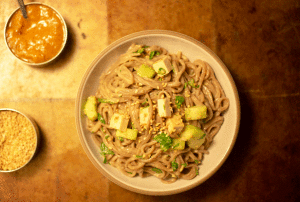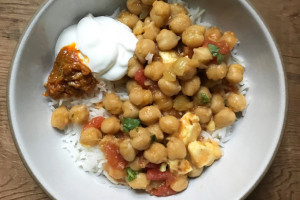



Simple cooking is not about limitation but about control over ingredients, methods, and outcomes. When food preparation involves fewer steps, the nutritional structure of meals becomes easier to preserve. Complexity in cooking often introduces hidden variables that affect both health value and consistency.
Ingredient transparency
The main advantage of simple cooking is clarity. When dishes are made with a small number of ingredients, it becomes easier to understand what is actually consumed. This reduces the risk of hidden additives, excess fats, or unnecessary sugars that often appear in heavily processed recipes. A similar principle can be seen in structured online environments where clarity of rules and outcomes directly shapes user behavior, especially on platforms designed around straightforward interaction models such as nine win casino, where predictable structure influences how users understand and engage with the system.
Transparency also improves decision-making. People can adjust meals based on real nutritional needs instead of relying on complex compositions that obscure what is inside the dish.
Why fewer ingredients matter
Each additional ingredient increases processing steps, potential additives, and variability in nutritional quality. Simple recipes reduce this complexity and keep the focus on natural product characteristics.
Preservation of nutrients
Cooking methods directly influence how much nutritional value remains in food. Simple techniques such as boiling, steaming, or light frying help preserve vitamins and minerals better than long or multi-stage preparation processes.
Overprocessing food can degrade sensitive nutrients. The more steps involved, the higher the chance that heat, oxidation, or extended cooking time will reduce beneficial properties.
Consistency in results
Simple cooking produces more predictable outcomes. When fewer variables are involved, the final dish is easier to replicate. This consistency helps build stable eating habits and reduces the need for repeated adjustments.
Complex recipes often depend on precise timing, multiple techniques, and specific equipment. Small deviations can significantly change the final result, making them harder to control in everyday cooking.
Reduced hidden calories and additives
One of the less visible advantages of simple cooking is the reduction of unnecessary calories. Processed sauces, dressings, and multi-step preparations often add fats and sugars that are not immediately noticeable.
By keeping meals simple, it becomes easier to control energy intake without strict calculations. The structure of the dish remains closer to its original form, which supports more balanced consumption.
Core principles of simple cooking
Simple cooking is based on a limited number of practical principles that focus on clarity and efficiency rather than complexity.
- Use of fresh and minimally processed ingredients
- Short cooking time with controlled heat exposure
- Minimal use of sauces or artificial flavor enhancers
- Clear separation of ingredients instead of over-mixing
Digestive efficiency
Food prepared in a simple way is often easier to digest. The body processes recognizable ingredients more efficiently than heavily modified combinations. This reduces digestive strain and supports more stable energy levels after meals.
Complex dishes with multiple fats, sugars, and additives can slow down digestion and create variability in how the body responds to food intake.
Psychological impact of simple meals
Simple cooking also affects how people relate to food. Clear structure and predictable ingredients reduce cognitive load during eating decisions. This leads to more mindful consumption and fewer impulsive choices.
When meals are straightforward, attention shifts from complexity to actual taste and satisfaction. This creates a more direct connection between hunger and consumption.
Time efficiency and sustainability
Simple cooking requires less preparation time, fewer tools, and fewer cleaning steps. This makes it easier to maintain consistent eating habits over time. People are more likely to cook regularly when the process is not demanding.
Over time, this efficiency contributes to long-term sustainability of dietary routines. Complex cooking methods are often abandoned due to time constraints, while simple approaches remain practical.
Better control over portions
When meals are simple, portion control becomes more intuitive. There is less reliance on hidden components that increase calorie density. This helps maintain balance without strict tracking or measurement.
Complex meals often combine multiple energy-dense elements, making it harder to estimate total intake accurately.
Flavor clarity
Simple cooking highlights the natural taste of ingredients. Instead of masking flavors with multiple layers, it allows each component to remain recognizable. This improves appreciation of food quality and encourages the use of better raw ingredients.
When fewer elements compete in a dish, the overall flavor becomes cleaner and easier to understand.
Conclusion
Simple cooking is effective because it reduces unnecessary complexity at every stage: preparation, nutrition, digestion, and decision-making. It creates more predictable results, preserves nutritional value, and supports consistent habits.
The strength of simple cuisine lies in control and clarity. By reducing variables, it becomes easier to maintain healthy eating patterns without additional effort or complication.