


Cooking traditions often differ in ingredients, but the real distinction comes from method. Indian culinary practice is built on control, sequence, and transformation rather than simple mixing. When these principles are applied to home dishes from other countries, the result is not alteration of identity but refinement of structure and depth.
The same idea of structured progression can be seen in modern interactive entertainment systems, where interactions are designed through clear stages and multi-level experiences that focus on development rather than chance. If we compare this approach to cooking, we can see how order and timing can shape perceptions of quality and enjoyment. all can be found on the 1 win website.
Flavor built in layers instead of single action
In many cooking traditions, seasoning happens at the end of preparation. Indian methods reverse this by building flavor in stages. Each step modifies the base ingredients before the next one is introduced. This creates a foundation where even simple components develop complexity.
When applied to dishes such as pasta, rice bowls, or soups, this approach changes how ingredients interact. Instead of a final adjustment of taste, flavor becomes embedded in every stage of cooking, producing a more stable and complete result.
Heat management as a structural tool
Heat is not treated as a constant factor in Indian cooking. It changes depending on the phase of preparation. High heat is used briefly to activate aromatics, while low heat develops depth without destroying volatile compounds. This distinction is essential for controlling taste progression.
For example, onions cooked slowly become sweet and soft, forming a base that supports stronger spices later. Garlic and ginger behave similarly, transforming from sharp raw notes into rounded background layers that support rather than dominate.
Spice sequencing and controlled intensity
Spices are never treated as a single mixture in traditional Indian kitchens. They are introduced in a sequence that determines how each element reacts with fat and moisture. This prevents flavor overload and maintains clarity in the final dish.
When this method is applied to international recipes, it improves balance. Instead of everything blending into a single note, each spice maintains its role, contributing to a structured taste profile that evolves while eating.
Balance between fat, acid, and spice
Indian cooking does not treat fat, acid, and spice as separate additions but as elements that regulate each other. Fat softens heat, acid lifts heaviness, and spice provides direction. This balance ensures that no single component dominates the dish.
When used in global home cooking, this principle corrects common issues such as overly heavy sauces or flat seasoning. A small adjustment in acid or fat at the right moment can completely shift the final result without changing the recipe itself.
Texture contrast as part of taste design
Texture is treated as an essential part of flavor perception. Indian meals often combine soft bases with crisp or roasted elements. This contrast keeps the eating experience dynamic and prevents uniformity in each bite.
When applied to other cuisines, texture layering prevents dishes from feeling monotonous. A creamy base gains structure when paired with a toasted or tempered topping, creating variation without adding complexity.
Core techniques that transform everyday cooking
Several foundational methods define how Indian cooking improves structure in any cuisine. These are not dependent on specific ingredients but on sequence and control.
- Tempering: Spices are activated in hot fat before being combined with other ingredients.
- Layered seasoning: Salt and spices are introduced at different stages rather than all at once.
- Aromatics base: Onion, garlic, and ginger form the structural foundation of flavor.
- Fat infusion: Spices release flavor compounds when heated in oil before liquid is added.
- Final correction: Taste is adjusted at the end using acid, herbs, or light spice additions.
Application across different cuisines
Italian cooking benefits from structured aromatics and staged heat. Tomato-based sauces become richer when garlic and herbs are treated as a foundation rather than a final addition. This prevents sharp acidity and improves smoothness.
Mexican dishes gain clarity when chili and spices are bloomed in oil before liquid components are added. This shifts heat from raw intensity to layered warmth with visible aromatic depth.
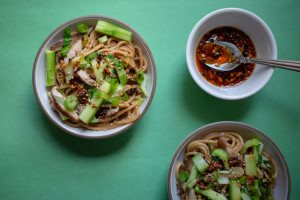
Even lighter cuisines such as East Asian home cooking become more expressive when fat infusion and seasoning stages are slightly adjusted, allowing subtle ingredients to develop stronger presence without losing identity.
Step-by-step structure for home application
These methods can be applied without changing the core recipe. The adjustment lies in order and timing rather than ingredients.
- Heat fat gradually to prepare a controlled cooking base.
- Add aromatics first and cook until raw intensity disappears.
- Introduce spices early to allow full flavor release.
- Build the main ingredient layer after the base is stable.
- Adjust final taste using acid or fresh elements rather than heavy seasoning.
Why structured cooking improves global home meals
The improvement comes from transformation rather than addition. Each stage alters the chemical and sensory properties of ingredients. This creates depth that cannot be achieved through single-step seasoning.
Most home cooking relies on final adjustments, which limits complexity. Structured methods distribute flavor development across the entire cooking process, resulting in a more cohesive and intentional dish.
Final perspective on flavor construction
When Indian techniques are applied to different cuisines, the goal is not fusion but refinement. The identity of the dish remains intact while its internal structure becomes more organized and expressive.
This approach demonstrates that better taste is not always the result of more ingredients. Often, it is the result of timing, control, and understanding how each step influences the next one.