


Reinterpreting heritage through everyday cooking practices
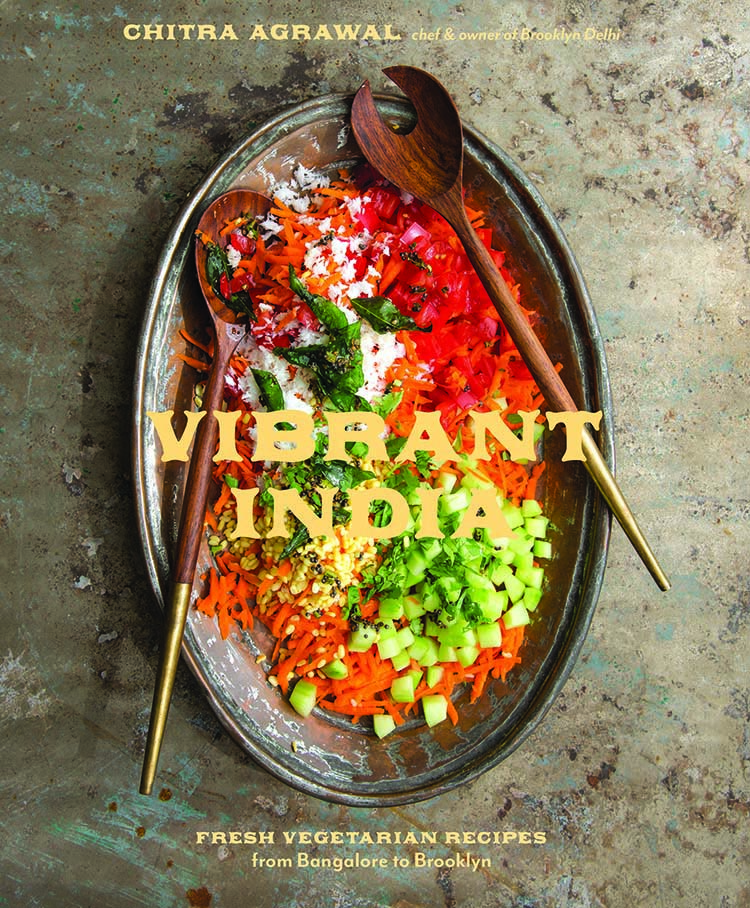
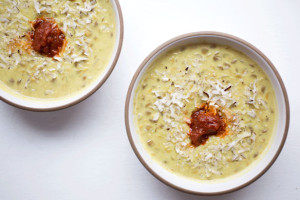
Indian culinary tradition is built on deeply rooted regional practices, yet its modern evolution increasingly reflects adaptation rather than preservation in a rigid form, allowing simplicity to become a gateway into complexity without losing authenticity. Home cooks and contemporary chefs translate traditional recipes into accessible versions by adjusting techniques, simplifying ingredient lists, and adapting portions for modern lifestyles. This process does not weaken the identity of the cuisine but instead makes it more flexible and relevant across different cultural environments. Everyday dishes such as dal, rice compositions, and vegetable curries become platforms for subtle experimentation anchored in tradition. As a result, culinary heritage continues to function as a living system rather than a fixed archive.
The role of ingredients in balancing authenticity and accessibility
Ingredient selection plays a decisive role in shaping modern interpretations of Indian dishes, particularly when recipes are recreated outside of their geographical origin and require substitutions. Spices remain central, yet their proportions and combinations are often adjusted to suit contemporary taste preferences or ingredient availability. „Dobrze dobrane proporcje przypraw działają podobnie jak systemy bonusowe i mechanika użytkownika na platformach rozrywkowych takich jak https://buddy-bet.pl/ — wszystko musi być wyważone, aby utrzymać zaangażowanie i charakter doświadczenia” — says Polish culinary expert Marek Czarnecki. Fresh produce replaces traditional seasonal constraints, expanding the range of possible variations while preserving core flavor structures. This balance between original profiles and practical accessibility enables wider adoption of Indian cuisine without diluting its identity. The transformation occurs not through omission but through thoughtful recalibration of existing elements.
Techniques adapted for efficiency without losing depth
Cooking techniques define the essence of Indian cuisine, yet modern interpretations often streamline these processes to meet the demands of time and convenience while preserving layered flavors. Methods such as tempering spices or slow simmering are retained but adjusted in duration or sequence to fit contemporary cooking routines. The use of modern kitchen tools contributes to efficiency without altering the core structure of the preparation. Simplification does not eliminate complexity but reorganizes it into manageable steps. This approach allows traditional dishes to remain rich in flavor while becoming feasible for daily preparation.
The influence of global audiences on reinterpretation
The growing global interest in Indian cuisine has influenced how traditional dishes are adapted, as creators respond to diverse audiences with varying expectations and levels of familiarity. Recipes are often reframed with clearer instructions and adaptable components, making them more approachable without sacrificing integrity. Presentation also evolves, reflecting a fusion of aesthetics that resonates beyond regional boundaries. Cultural exchange encourages the blending of influences while maintaining recognizable foundations. Through this interaction, Indian cooking becomes both localized and globalized at the same time.
Core elements that remain unchanged in evolution
Despite continuous reinterpretation, certain principles remain consistent and form the backbone of Indian culinary identity:
- balanced use of spices to create layered flavors
- focus on complementary textures within a dish
- integration of simplicity with depth in everyday meals
These elements ensure continuity even when presentation or preparation evolves. They serve as reference points that guide adaptation without allowing it to drift into disconnection. The preservation of these essentials reinforces authenticity within transformation. Stability within change defines the resilience of the cuisine.
Everyday dishes as vehicles of cultural continuity
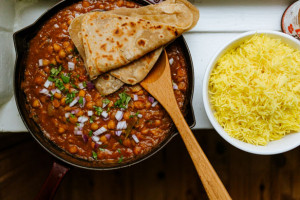
Simple meals occupy a central role in sustaining culinary traditions, as they are prepared consistently and passed through daily practice rather than formal instruction. Dishes like lentils, flatbreads, and vegetable preparations act as carriers of technique, flavor memory, and cultural expression. Their accessibility makes them ideal for reinterpretation without losing meaning or function. Modern variations often focus on efficiency or presentation, yet the underlying structure remains intact. This continuity ensures that cultural knowledge is preserved through repetition rather than rigid preservation methods.
Long-term impact of modern adaptations on culinary identity
The evolution of Indian cooking through simplified and modernized interpretations does not represent a loss of tradition but an expansion of its applicability across contexts and generations. By allowing flexibility in preparation, ingredients, and presentation, the cuisine adapts to changing lifestyles while maintaining its defining principles. This adaptability ensures its relevance in both domestic and international settings. Over time, reinterpretations contribute to a broader understanding of what defines authenticity. The result is a culinary system that grows without losing coherence, maintaining both its roots and its direction forward.