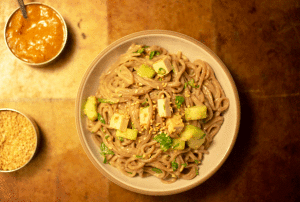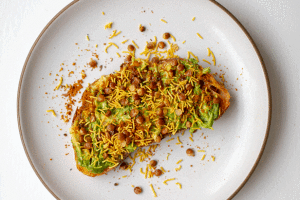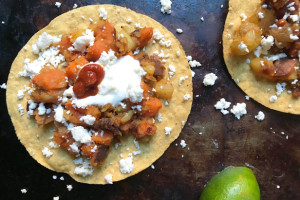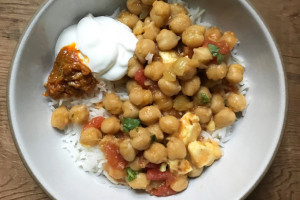



The taste of a dish is never fixed. Even when the recipe name stays identical, its flavor changes depending on geography, tradition, and local habits. Food travels across borders, but it never arrives unchanged. Ingredients, cooking methods, and expectations reshape it until it becomes part of a new cultural identity.
The same dish can feel familiar in one country and completely different in another. These differences are not accidental. They come from long-established cooking logic, ingredient availability, and cultural understanding of what food should deliver in terms of texture, aroma, and intensity. Culture does not only influence food; it actively rebuilds it. A similar principle can be seen in entertainment environments where user preferences shape how platforms present experiences and pacing, such as on bubbles bet where engagement patterns are formed through interaction style and immediate response rather than fixed structure.
Ingredients as Cultural Translation
The first transformation happens at the ingredient level. Even when two kitchens aim to prepare the same dish, they rarely use identical raw materials. Climate, agriculture, and trade networks define what is considered normal or accessible in each region.
Tomatoes grown in Mediterranean soil carry different acidity compared to those grown in cooler climates. Rice varieties differ in starch content depending on region. Spices vary in strength depending on processing and storage traditions. These differences change the final result before cooking even begins.
A dish adapted in a new country often replaces unavailable ingredients with local alternatives. These substitutions are not neutral. They shift balance, intensity, and structure. Over time, the adapted version becomes the new standard within that culture.
Cooking Techniques Shape Flavor Identity
Technique determines how ingredients transform under heat, pressure, and timing. Different cultures prioritize different methods even when preparing the same dish name.
One culture may emphasize slow simmering to build depth, while another focuses on fast high-heat cooking to preserve texture. Some traditions rely on roasting spices before adding liquids, while others integrate raw spices directly into sauces. Each method produces a distinct flavor profile even with identical ingredients.
These differences are often invisible in written recipes but become obvious in taste. A dish cooked quickly over high heat tends to preserve sharper notes, while slow cooking creates layered and softened flavors. Cultural cooking logic defines which outcome is preferred.
Spice Usage and Flavor Intensity
Spices are one of the strongest markers of cultural influence in food. The same dish can vary dramatically depending on how spices are used, combined, and balanced.
Some cuisines build flavor gradually through a small number of carefully layered spices. Others rely on bold combinations that create immediate intensity. The perception of “correct” spice balance is deeply cultural and often tied to childhood food memory.
Heat levels also vary widely. What feels mildly spiced in one region may be considered extremely strong in another. This difference is not about tolerance alone but about expectation. Each culture develops its own baseline for flavor strength.
Texture Expectations Across Cultures
Texture plays a central role in how a dish is perceived. Two versions of the same food can taste different simply because of how they feel in the mouth.
Some cultures prefer smooth, uniform textures where ingredients blend into a single consistency. Others value contrast, where soft and crisp elements coexist in the same dish. Cooking methods such as blending, frying, or slow reduction are chosen based on these expectations.
Even simple dishes change character through texture adaptation. Rice can be fluffy, sticky, or creamy depending on cooking tradition. Vegetables can remain firm or become fully softened depending on cultural preference.
Adaptation Through Migration
When people move between countries, they bring recipes with them. However, those recipes rarely survive unchanged. Migration creates adaptation pressure that reshapes food over time.
Home cooks adjust recipes based on available ingredients, time constraints, and local taste preferences. Restaurants adapt even further to match customer expectations. This process leads to parallel versions of the same dish across different regions.
Over generations, these adaptations become independent identities. A dish that originated in one culture may evolve into several distinct variations, each considered authentic within its own environment.
Key forces behind cultural adaptation of dishes
Several consistent factors influence how recipes change when they move across cultures:
- Availability of local ingredients and substitutes
- Climate differences affecting storage and freshness
- Local taste expectations for salt, spice, and sweetness
- Cooking equipment and kitchen structure
- Time and labor constraints in daily cooking
These forces work together and gradually reshape the original dish until it reflects the environment where it is prepared.
Role of Tradition and Memory
Food is strongly connected to memory. Cultural tradition defines not only how a dish is made but how it is remembered. This emotional connection influences how people judge authenticity.
Two individuals may eat the same dish and interpret it differently depending on their upbringing. For one person, a specific spice balance may feel correct because it matches childhood experience. For another, the same dish may seem incomplete or overly intense.
This explains why debates about “authentic taste” often arise. Authenticity is not only about origin. It is also about personal and cultural memory embedded in food perception.
Restaurant Adaptation vs Home Cooking
Professional kitchens and home kitchens adapt dishes differently. Restaurants often modify recipes to meet broader audience expectations, while home cooking preserves personal or regional interpretation.
In restaurant settings, consistency matters. Chefs aim for repeatable results that appeal to a wide range of customers. This can lead to simplified flavors or adjusted spice levels.
Home cooking allows more variation. Recipes are adjusted based on taste preference rather than commercial consistency. This leads to deeper regional diversity in how dishes evolve within households.
Both environments contribute to how a dish develops culturally. Restaurants standardize versions, while homes preserve variation.
Global Exchange and Hybrid Cuisine
Modern food culture encourages constant exchange between traditions. Ingredients and techniques move rapidly between regions, creating hybrid dishes that combine elements from multiple cultures.
These hybrid forms do not replace original recipes. Instead, they exist alongside them, expanding the definition of what a dish can become. Fusion cooking reflects how cultural boundaries in food are flexible rather than fixed.
However, successful adaptation depends on understanding structure rather than just mixing ingredients. Without respect for balance and technique, hybrid dishes can lose clarity and become inconsistent.
Conclusion
The taste of a dish is never universal. It is shaped by geography, tradition, memory, and adaptation. Every culture modifies food through its own logic, creating versions that reflect local environment and expectations.
Ingredients change the foundation, techniques reshape structure, and cultural memory defines perception. As dishes move across borders, they evolve into new forms while still carrying traces of their origin.
Understanding this process reveals that food is not static. It is a living system that continuously adjusts to human movement and cultural exchange. The same dish becomes multiple stories told through different flavors.