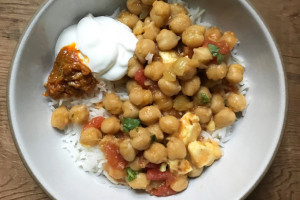



A first-generation child of Indian parents in Brooklyn often grows up between two strongly scented kitchens. In one, there is sambar, tadka and pressure cookers; in the other, pizza slices, bagels and take-out noodles. The tension appears on the plate when a child asks for macaroni while the parent serves dal and rice. One carefully chosen dish can turn that conflict into a point of meeting rather than refusal.
When a cook decides to adapt a classic Indian recipe to local tastes, the goal is not to disguise it. The aim is to make the aromas of childhood sit comfortably next to the food of the city outside, much like how familiar rules help people relax when they open a game they already trust, whether it is a quick card round or a few spins on a platform like Maxispin. A bowl that contains both familiar and new flavors allows the parent to share memory and the child to feel at home in the present. That is why a single everyday recipe can carry more emotional weight than a festival feast.
Choosing the right bridge dish
Not every recipe can perform this work of reconciliation. The dish needs a simple structure, ingredients that are easy to find in Brooklyn shops and a flavor that can be adjusted along a mild‑to‑spicy spectrum. Creamy lentils, fragrant rice or vegetable curries with gentle heat are better candidates than very sour pickles or bitter greens. When the base is comforting and soft, it is easier to add small bursts of unfamiliar spice without overwhelming anyone at the table.
A bridge dish also needs to be visually inviting. Bright turmeric, fresh cilantro and a squeeze of lime can turn a humble pot of dal or khichdi into something that feels as special as a take‑out meal. The plate should say: this is Indian, but it belongs on this Brooklyn table with its mismatched bowls and city noise behind the window. That visual cue prepares the eater to accept a new taste without resistance.
The Brooklyn touch
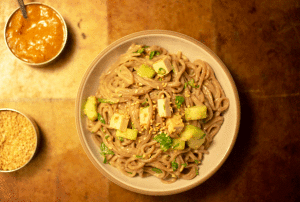
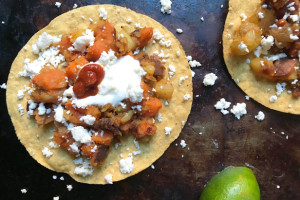
Local ingredients inevitably reshape traditional food. Farmers’ markets offer kale instead of methi, heirloom tomatoes instead of the standard varieties found in Indian bazaars. Rather than search endlessly for exact matches, many Brooklyn cooks fold these vegetables into their family recipes. Kale saag, roasted Brussels sprouts in mustard seeds or tacos filled with spiced chickpeas become natural extensions of the original cuisine.
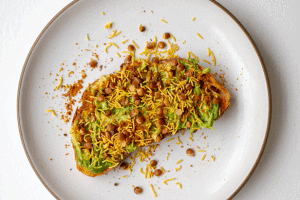
The grain base often changes as well. Quinoa or brown rice may stand in for polished basmati when health concerns enter the conversation. Whole‑grain flatbreads or even sourdough toast replace chapati on hurried weeknights. The core technique of tempering spices in hot oil remains, but it now coats ingredients that would surprise a grandparent in Delhi. This quiet evolution lets Indian flavor sit comfortably inside an American lifestyle.
Negotiating flavor at the family table
The real test of a reconciliatory dish happens when family members with different palates share it. One person may crave strong chili heat, another prefers gentle warmth; one loves the smell of asafoetida, another finds it overwhelming. Adjustable recipes become valuable tools: heat can come from toppings, lime wedges and chutneys instead of being locked into the base. Everyone receives roughly the same meal but can build their own version at the table.
Over time these micro‑negotiations create a shared language of taste. Children learn the names of spices as they sprinkle them; parents learn which textures and combinations their kids genuinely enjoy. Instead of repeating a script of “eat your Indian food first, then you can have pizza,” the dish itself becomes the pizza: familiar, customizable and rooted in a different tradition. The only rule that matters is whether the pot is empty at the end of dinner.
Everyday ritual as identity work
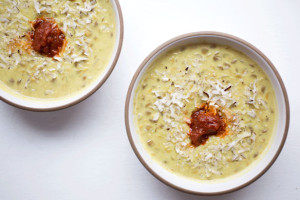
When a particular recipe returns week after week, it acquires ritual power. A bowl of coconut dal with turmeric rice on a Tuesday night begins to mean “this is our house and how we eat together.” For the parents it carries echoes of their own childhoods, filtered through the adjustments they have made in Brooklyn. For the children it becomes the taste that will later define “home,” even if they describe it to friends as “our version of comfort food.” The dish quietly threads two histories into one habit.
Food scholars often describe identity using large concepts like diaspora and assimilation, but the work happens at the scale of a ladle and a serving spoon. Each time the dish is cooked, the cook decides how far to bend toward American convenience and how much to preserve from Indian memory. The result is neither a museum piece nor a generic fusion plate; it is a living compromise that changes as the family changes. In this sense one well‑loved recipe can do more to reconcile cultures than any formal discussion about heritage.
Practical ways a single dish can unite cultures
To keep this bridge role alive, many Brooklyn cooks rely on a few simple practices when designing such a recipe:
- use supermarket staples for most ingredients so the dish is easy to shop for after work,
- build flavor with a small, repeatable set of spices that children can recognize by smell and name,
- leave room for toppings and side elements that adjust heat, crunch and acidity for each plate,
- serve the dish in a format familiar to local friends, such as bowls or wraps, when guests join,
- keep the cooking process visible so kids can watch, taste and eventually help.
These details turn the recipe into a shared project rather than a command handed down from the stove. The more people participate in preparing and shaping the dish, the stronger its symbolic role becomes. It stops being “mom’s Indian food” and becomes “our coconut dal” or “our masala pasta,” something that belongs equally to every member of the household.
One dish, many futures
As years pass, family members carry this hybrid recipe into new apartments, new cities and new relationships. They may swap ingredients again, lighten the spices or return to a more traditional version, but the pattern of negotiation remains. Each new variation keeps the link between Indian roots and Brooklyn streets alive, even when the cook lives far from both. In that sense the dish does not simply reconcile two cultures once; it equips the next generation to keep making peace between identities wherever they go.
Indian food grown in Brooklyn is more than a culinary curiosity. It is everyday evidence that cultures do not have to compete for space on the plate. When one thoughtfully crafted dish satisfies both memory and present reality, it shows that belonging can be layered rather than divided. The recipe becomes a small, fragrant proof that two homes can coexist in one kitchen.