


How Food Traditions Travel Through Communities and Seasons
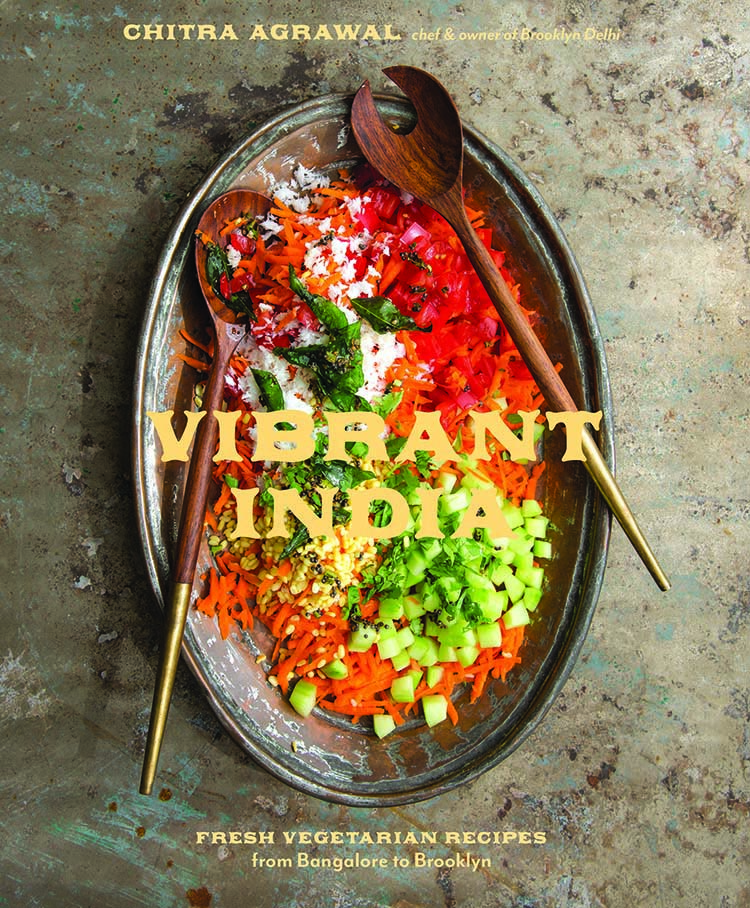
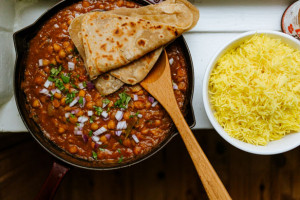
Some recipes do more than fill a plate. They carry voices, routines, and small details that survive distance and time. A pot of lentils made the way a grandmother prepared it, a bright chutney adjusted to match ingredients from a new city, or a flatbread cooked on a modern stove instead of an old family pan can all hold the same emotional weight. Food has always moved with people, but it rarely travels unchanged. It absorbs climate, neighborhood markets, seasonal produce, and even the pace of daily life. That is what makes home cooking so meaningful: it preserves identity while still allowing room for adaptation. In many households, the most memorable meals are not exact replicas of the past, but thoughtful continuations of it. They reflect where a family came from and where it is now. Across generations, these dishes become a practical language of belonging, one that does not need formal explanation because its meaning is felt in aroma, texture, and repetition.
Seasonality Keeps Tradition Alive
One reason traditional cooking remains so relevant is that it naturally works with the rhythm of the year. Seasonal food invites flexibility without weakening the core of a dish. A cook may use local squash instead of another familiar vegetable, swap greens depending on the market, or build a meal around what looks freshest that week. These choices are not compromises. They are part of the long history of practical, intelligent cooking. When people cook this way, they stay connected both to heritage and to place. A recipe becomes less rigid and more alive. This approach also encourages curiosity. A person might begin with a family method for spiced rice, yogurt salad, or vegetable stew, then refine it with ingredients from a farmers market or neighborhood grocer. Over time, that blend of memory and seasonality forms a new local tradition. It is still rooted in the original spirit of the dish, yet shaped by everyday experience in a different environment.
Why Community Matters More Than Ever
Today, food traditions do not travel only through relatives, cookbooks, and dinner tables. They also move through newsletters, social media, neighborhood groups, and independent websites where people exchange ideas, tips, and encouragement. A single post about a pantry staple or a cherished family recipe can reach readers across continents in a matter of hours. That digital layer has changed how communities form around food. People can now share sourcing advice, answer cooking questions, and introduce regional habits to new audiences without losing the intimacy that makes food writing special. In that wider ecosystem, readers also discover how niche communities grow around trust, shared interests, and consistent value. In much the same way, community-based digital networks such as mobcash betandyou africa show how online spaces can connect people through local relevance, word-of-mouth energy, and shared opportunity. The common thread is simple: when a platform feels personal and useful, people return to it and help it grow.
Cooking Forward Without Losing the Past
The future of food culture will likely belong to people who can balance preservation with openness. That does not mean turning every traditional dish into a trend, or stripping recipes of context to make them easier to market. It means understanding what should remain intact and what can evolve naturally. Techniques, stories, and values often matter as much as ingredients. When cooks pass those elements on, they create continuity without forcing sameness. That is especially important for younger generations who may be learning family recipes in new kitchens, with different schedules and different resources. What they need is not perfection, but confidence: permission to keep the spirit of a dish even when details shift. Food remains one of the most generous ways to build bridges between places, generations, and communities. It reminds people that identity can be both rooted and flexible, and that something as everyday as dinner can still tell a story worth carrying forward.