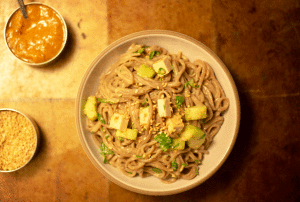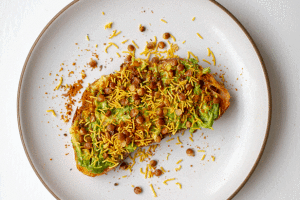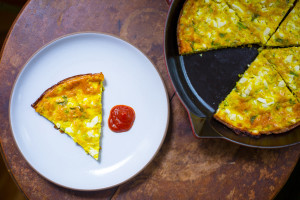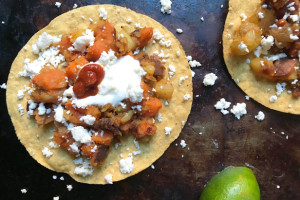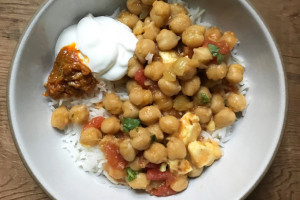



A home-cooked dish succeeds when the taste feels complete. That does not mean it must be complex. It means the main ingredients, seasoning, and cooking method work together without one element dominating the rest. Salt, acidity, fat, sweetness, and spice all need a clear role. When flavor is balanced, the dish feels intentional rather than accidental. Even simple food can feel memorable if every bite carries the right level of depth and clarity.
Texture shapes the experience
Taste alone is not enough to make a dish satisfying. Texture decides how the food feels in the mouth and how long it stays interesting. A soft dish can become dull if nothing breaks its pattern, while a crisp garnish or a firm ingredient can make the same plate feel much better. Good texture gives contrast, and contrast keeps the meal alive. This is why a smooth soup may need croutons, or a creamy main course may benefit from something fresh and firm on the side. The same principle applies to gaming and entertainment platforms, where a smooth user experience starts with simple account access through options such as ricky casino australia login, helping players get straight to the content they want.
Presentation changes perception
People eat with their eyes before the first bite. Presentation does not need to be formal, but it should show care. A well-arranged plate suggests that the cook paid attention to detail, and that affects expectation. Clean edges, balanced portions, and visible color contrast make even a modest dish look more appealing. Presentation also helps the main ingredient stand out instead of disappearing into the plate. When food looks organized, it feels more inviting and usually tastes better in the mind before it even reaches the mouth.
Three things to check before serving
- Does the flavor feel balanced from the first bite to the last?
- Is there enough texture contrast to keep the dish interesting?
- Does the plate look deliberate, clean, and easy to read?
Balance matters more than effort
A successful dish is not always the one that takes the longest to prepare. Often, the best result comes from simple decisions made with precision. Too much seasoning can blur flavor, while too many ingredients can weaken the structure of the dish. The strongest home cooking usually knows when to stop. It leaves enough space for each element to matter. That balance is what turns a basic meal into something that feels finished.
Good cooking solves a problem
Every meal answers a practical question: does this satisfy, and does it feel worth serving again? Flavor gives immediate pleasure, texture keeps the plate from becoming flat, and presentation gives the dish confidence. When all three work together, the result feels more complete than the sum of its parts. This is why some dishes are remembered even when they are not complicated. They meet the eater’s expectations at every level without trying too hard.
Conclusion
A home-cooked dish becomes truly successful when taste, texture, and presentation support one another. Flavor creates the first impression, texture gives the meal structure, and presentation adds the final layer of appeal. If one of these parts is weak, the whole dish loses strength. When they are balanced, even an everyday recipe can feel thoughtful and satisfying. That is the real mark of good home cooking: not excess, but control.