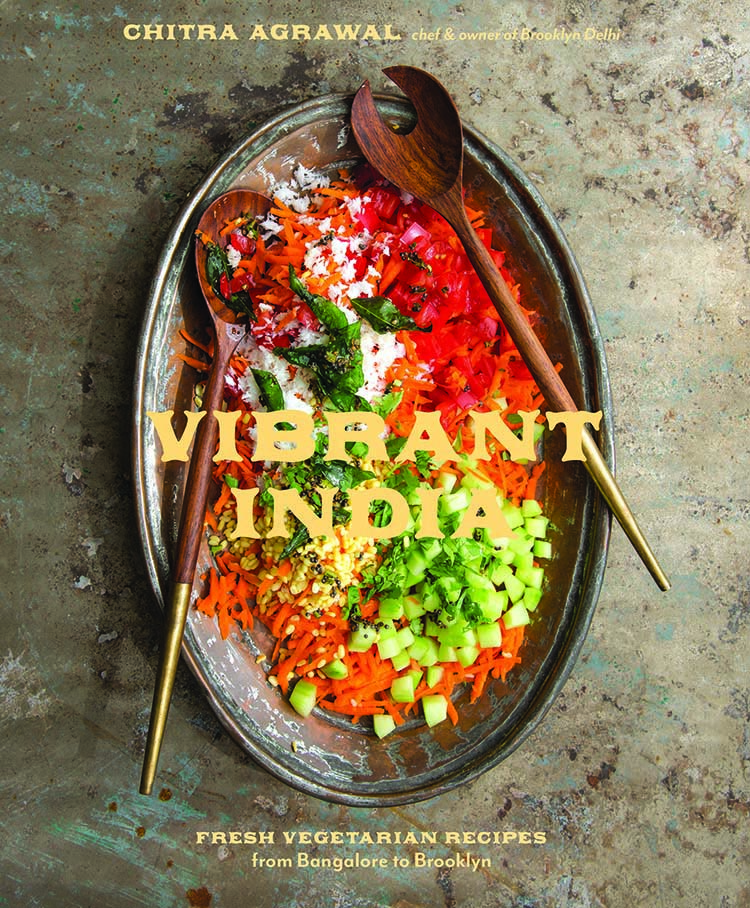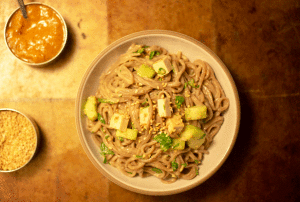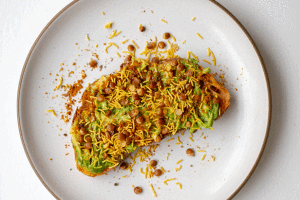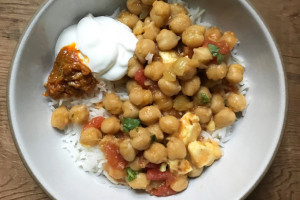



Vegetarian cooking in India isn't about restriction. It's about depth. Fifty family recipes, passed down through generations, show how lentils, vegetables, dairy, and spices create meals that are complete, flavorful, and ancient. These recipes come from kitchens in Karnataka, Tamil Nadu, Kerala, Gujarat, Punjab, and Rajasthan — regions where vegetarianism has been practiced for centuries.
What makes these recipes special is their continuity. They weren't written down in books. They were taught by mothers to daughters, by aunties to cousins, by grandmothers to everyone who sat at the table. This is how Indian food survives — through memory, repetition, and taste.
The south vs north divide
South Indian vegetarian cuisine is rice-based. Meals center on steamed rice served with sambar, rasam, pachadi, and curd. Coconut is used heavily in chutneys, curries, and rice dishes like chitranna. Tamarind adds sourness. Lentils provide protein. The flavor profile is tangy, spicy, and slightly sweet from coconut. On gaming platforms, players often look for a hellspin bonus code to unlock extra rewards and get more value from their sessions.
North Indian vegetarian cuisine is wheat-based. Meals center on roti, paratha, and naan served with dal, saag, and vegetable curries. Dairy is central — ghee, yogurt, paneer, and cream. Spices are toasted in ghee to release fat-soluble flavors. The flavor profile is rich, creamy, and aromatic from garam masala and cardamom.
Lentils: the protein backbone
Lentils are the foundation of vegetarian Indian cooking. They're cheap,nutritious, and cook quickly. Every region has its own dal — toor dal in the south, masoor and tuvar in the north. These lentils become sambar, rasam, khatta, and simple boiled dal topped with ghee and turmeric.
The technique is the same everywhere: soak the lentils, cook them until soft, temper with spices. The tempering — called tadka or conam — is what makes dal taste like food and not just mush. You fry cumin, coriander, turmeric, chili, and asafoetida in ghee, then pour it over the hot dal. The香料 sizzle and release their aroma instantly.
Vegetables: seasonal and local
Vegetable curries in India use what's available. In the south: drumsticks, yam, bitter gourd, banana flower, and jackfruit. In the north: cauliflower, spinach, peas, potatoes, and eggplant. Each vegetable has its own cooking method — some need long simmering, others quick sautéing.
Bitter gourd is sliced thin, salted, and fried until crispy to remove bitterness. Banana flower is soaked in tamarind water to prevent discoloration, then cooked with coconut and lentils. Drumsticks are boiled in sambar until the pods soften and release starch into the broth. These techniques aren't random. They're responses to the vegetable's chemistry.
Dairy: ghee, yogurt, and paneer
Dairy is essential in North Indian vegetarian cooking. Ghee is used for tempering and cooking. Yogurt is used in curries, batters, and condiments. Paneer — fresh Indian cheese — is cubed and added to curries or grilled. Cream is stirred into rich dishes like shahi paneer and malai kofta.
Making paneer at home is simple: heat milk, add lemon juice or yogurt, strain the curds, press them into a block. The cheese holds its shape when cooked. It absorbs flavors from spices without melting. This makes it perfect for curries, kebabs, and sandwiches.
Ghee is clarified butter. You simmer butter until the water evaporates and the milk solids brown, then strain them out. The result is pure fat with a nutty aroma. Ghee doesn't burn as quickly as regular butter, so it's better for high-heat cooking and long tempering.
Spices: the flavor engine
Spices are what make Indian food Indian. They're not garnishes. They're the main ingredient. The core spices are cumin, coriander, turmeric, red chili, asafoetida, cardamom, and garam masala. Each has a role:
- Cumin — earthy, warm, used in tempering and rice dishes
- Coriander — citrusy, fresh, used in chutneys and curries
- Turmeric — bitter, antibacterial, adds yellow color
- Red chili — heat, from Kashmiri (mild) to Guntur (strong)
- Asafoetida — onion-like, used when avoiding onions
- Cardamom — sweet, floral, used in desserts and rich curries
- Garam masala — blend of 8–12 spices, added at the end
Spices are toasted before use. This releases fat-soluble compounds and makes flavors deeper. You fry them in ghee or oil for 30 seconds, then add the main ingredient. Never skip this step — it's the difference between bland and flavorful food.
Regional specialties from the south
South India has rice dishes that are unique to the region. Chitranna is rice mixed with tamarind, lentils, and spices — a one-pot meal. Pongal is sweet rice cooked with milk, jaggery, and cardamom, served at festivals. Ennai Papdi is fried lentil dumplings soaked in spiced oil, served as a snack.
Sambar is the most important South Indian dish. It's lentil stew with vegetables, tamarind, and sambar powder — a spice blend with coriander, chilies, turmeric, and asafoetida. Sambar is served with rice, idli, dosa, and vada. Every household has its own sambar powder recipe.
Rasam is a thin soup made from tamarind, tomato, or pepper water. It's acidic and spicy, meant to cleanse the palate. Rasam is drunk after meals or served with rice and ghee. Coconut milk rasam is a Kerala version — creamy, sweet, and spicy.
Regional specialties from the north
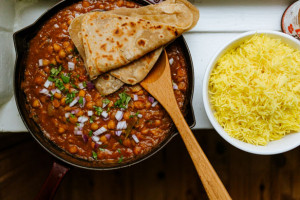
North India has wheat-based breads and rich curries. Aloo Gobi is potato and cauliflower cooked with turmeric and cumin — a winter dish. Saag is spinach cooked with mustard greens, garlic, and ghee — a Punjab staple. Rajma is kidney bean curry cooked with tomatoes and garam masala — served with rice or roti.
Shahi Paneer is paneer in a creamy tomato-cashew sauce. The name means "royal paneer" — it was served in royal courts. Malai Kofta is fried vegetable dumplings in a sweet, creamy sauce. Both dishes are rich and use cream, cashews, and cardamom.
Dal Makhani is black lentils cooked with butter, cream, and garam masala. It's slow-cooked for hours until the lentils break down and the sauce becomes thick. This is the dal served in North Indian restaurants — rich, creamy, and deeply flavorful.
The family recipe transmission
These 50 recipes weren't written. They were taught. A mother shows her daughter how to make sambar. An auntie teaches her cousin how to fry bitter gourd. A grandmother tells everyone how to make garam masala. The teaching happens in the kitchen, while cooking, while tasting.
The recipe changes slightly each time. Maybe the sambar is more sour this week. Maybe the dal has more ghee. Maybe the chutney is less spicy. These variations are normal. The recipe isn't fixed — it's flexible, adjusting to what's available and what tastes good.
This is why family recipes survive. They're not rigid. They adapt. They're learned through practice, not memorization. You don't read the recipe — you taste it, feel it, remember it.
Why vegetarian Indian food works
Vegetarian Indian food is complete nutrition. Lentils provide protein. Vegetables provide fiber and vitamins. Dairy provides fat and calcium. Rice and wheat provide carbohydrates. Spices provide antioxidants and digestive benefits. The meal is balanced without needing meat.
The flavors are complex. Sour from tamarind and yogurt. Spicy from chilies. Earthy from cumin and turmeric. Sweet from coconut and jaggery. Bitter from bitter gourd and mustard greens. Salty from salt. These six tastes — satra — are the foundation of Indian cooking. A good meal has all six.
The techniques are ancient. Tempering, fermenting, slow-cooking, frying — these methods have been used for thousands of years. They're not complicated. They're practical. They make food taste better and last longer.
The bottom line
These 50 family recipes are not just food. They're history. They're culture. They're memory. They're how Indian vegetarian cooking survives — passed down through generations, updated with each kitchen, tasted by each person who sits at the table.
You don't need meat to make Indian food complete. You need lentils, vegetables, dairy, spices, and technique. You need the recipes that your grandmother taught you. You need the taste that reminds you of home.
Vegetarian India doesn't lack. It abunds. Fifty recipes, thousands of years, one kitchen at a time.