


Indian cuisine as a global culinary language
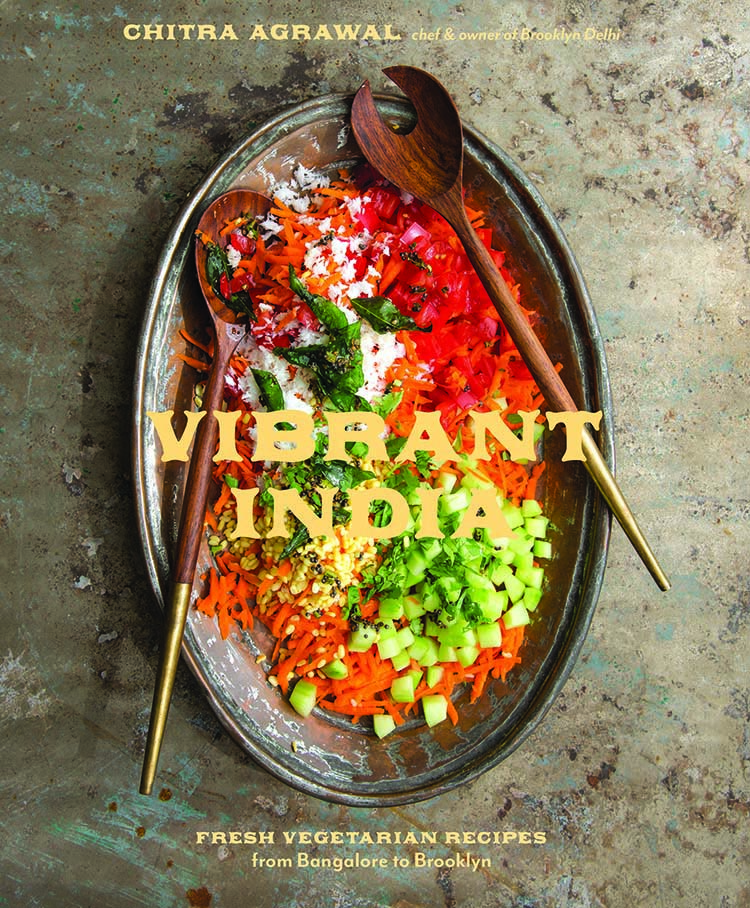
Indian cuisine has become one of the most recognizable food cultures worldwide, not because of uniformity, but because of its adaptability and depth. Dishes originating in specific regions of India have crossed borders through migration, trade, and cultural exchange. As they traveled, they were adjusted to local tastes while retaining core flavor principles. This balance between authenticity and flexibility allowed Indian food to integrate into diverse culinary traditions. Global familiarity with Indian dishes reflects long-term cultural interaction rather than sudden popularity. Indian cuisine speaks a universal language of spice, balance, and comfort.
Curry dishes as ambassadors of Indian food culture
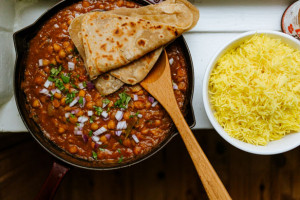
Curry-based dishes are among the most widely recognized Indian foods internationally. While the term “curry” simplifies a vast range of regional preparations, it introduced global audiences to spice layering and slow cooking, similar to how structured entertainment ecosystems introduce users to layered experiences that evolve over time. Dishes such as chicken curry or vegetable curry became entry points to Indian flavors. European and Asian adaptations emerged, often milder and creamier. Jak wyjaśnia ekspert kulinarny i szef kuchni Marek Zieliński: «Równowaga smaku i struktury jest kluczowa, podobnie jak w platformach do gier https://betonreds.com.pl/ , gdzie spójność systemu decyduje o jakości całego doświadczenia». Despite adaptation, the fundamental concept of spice balance remained. Curry became symbolic of Indian cuisine abroad.
Tandoori cooking and the appeal of open-flame techniques
Tandoori dishes gained international recognition through their distinct preparation method. Cooking in clay ovens at high temperatures produces smoky flavors and unique textures. Tandoori chicken, naan, and kebabs showcase this technique. The visual and sensory impact contributed to global appeal. Tandoori cooking influenced grilling styles beyond Indian restaurants. It represents technique-driven popularity.
Vegetarian dishes and global plant-based trends
Indian vegetarian dishes have gained renewed attention alongside global interest in plant-based diets. Lentil-based dals, chickpea curries, and vegetable preparations demonstrate protein-rich, balanced meals. These dishes highlight spices as primary flavor drivers rather than meat. Global audiences appreciate their nutritional value and adaptability. Indian vegetarian cuisine provided a framework for modern plant-based cooking. Its influence extends beyond cultural boundaries.
Street food flavors adapted for international audiences
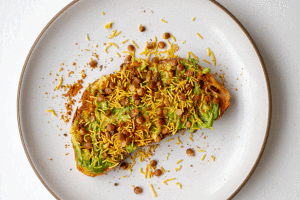
Indian street food introduced bold flavor contrasts to global cuisine. Dishes like samosas and chaat-inspired snacks became popular worldwide. Their portability and layered textures suit international dining habits. Street food adaptations simplified spice levels while preserving identity. This category demonstrates how informal food travels fastest. Street food reflects everyday Indian taste.
Indian dishes that achieved global recognition
Several dishes consistently represent Indian cuisine worldwide:
- chicken curry and regional curry variations
- tandoori chicken and naan
- dal-based lentil dishes
- samosas and spiced snacks
These dishes became global through repetition and adaptation.
Indian cuisine as an evolving global influence
The global popularity of Indian dishes continues to evolve rather than remain static. New interpretations emerge alongside traditional forms. Indian cuisine influences modern chefs and home cooks alike. Its flexibility ensures longevity. Global recognition reflects respect rather than novelty. Indian food remains a living culinary force.