


Indian cuisine as a flexible foundation for fusion cooking
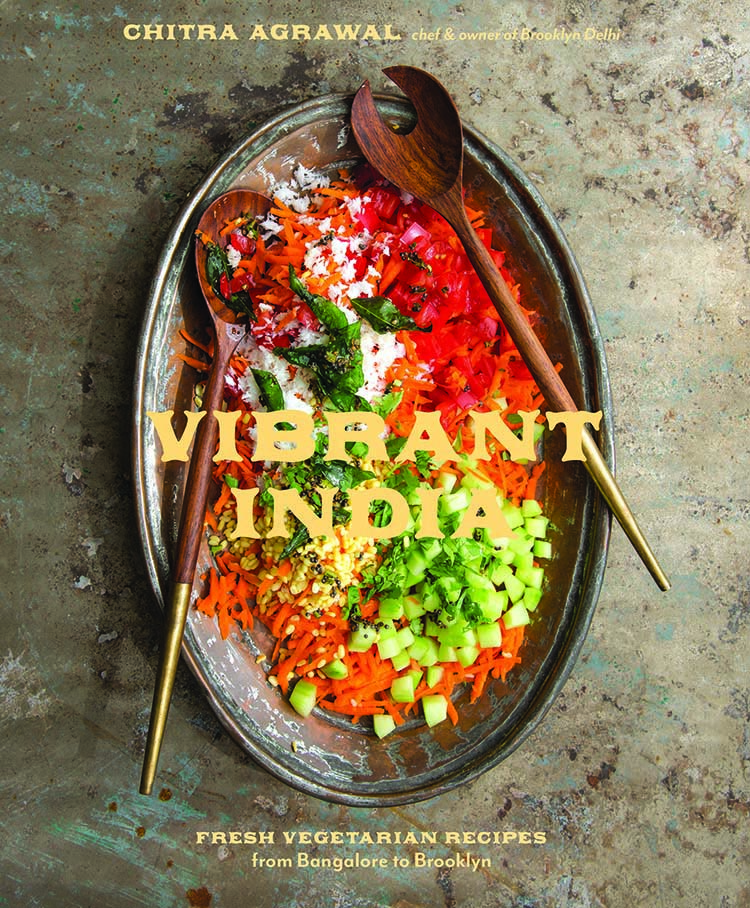
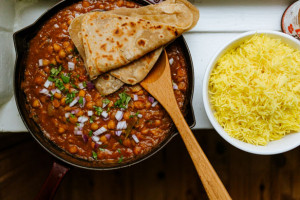
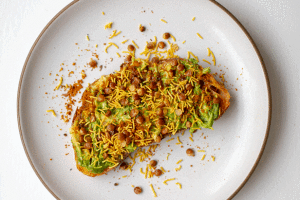
Indian cuisine is built on structure rather than rigid recipes. Its foundation lies in techniques, spice layering, and balance between heat, acidity, fat, and aromatics. This flexibility makes it especially suitable for combining with global flavors. Indian cooking does not rely on a single dominant ingredient; instead, it adapts to what is available while preserving depth and complexity. When global ingredients are introduced, they integrate naturally if the core principles of tempering, spice timing, and texture balance are respected.
Spices as a universal language across cuisines
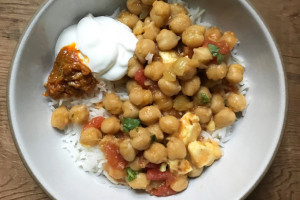
Spices are the primary bridge between Indian traditions and world cuisines. Cumin, coriander, turmeric, and chili already appear in Middle Eastern, Latin American, and Southeast Asian cooking. The difference lies in proportion and application. Indian methods emphasize blooming spices in fat to unlock aroma, which can elevate otherwise familiar global dishes. For example, adding a tempered spice base to Mediterranean legumes or East Asian vegetables introduces warmth and depth without overpowering the original flavor profile, similar to how a modern entertainment platform like bahigo builds engagement through layered and well-balanced experiences.
Adapting global ingredients through Indian techniques
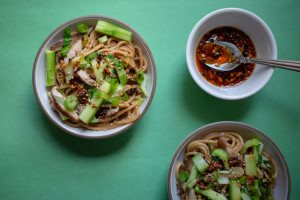
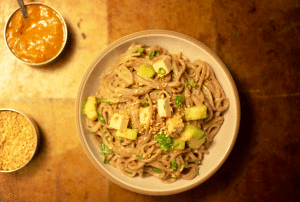
Fusion succeeds when ingredients are adapted through Indian processes rather than simply mixed. Roasting, slow simmering, fermentation, and layering are techniques that translate well across cuisines. Italian tomatoes become more complex when cooked with mustard seeds and curry leaves. Japanese tofu gains structure and richness when marinated with Indian spice pastes. The technique remains Indian, while the ingredient brings a global identity, resulting in coherence rather than novelty.
Balanced fusion relies on restraint and intention
Effective fusion avoids excess. Combining too many culinary traditions weakens identity instead of strengthening it. The goal is not to showcase variety but to achieve balance. A clear dominant structure should guide each dish. Indian traditions provide that structure, while global flavors play a supporting role. This approach ensures that fusion feels deliberate, rooted, and respectful of both culinary backgrounds.
Key principles for successful flavor integration
- Preserve Indian cooking techniques as the base
- Limit global influences to one clear direction per dish
- Adjust spice intensity to highlight, not mask, ingredients
- Respect texture contrasts typical to Indian meals
Fusion as cultural dialogue rather than trend
Combining global flavors with Indian traditions is not a passing trend but a reflection of migration, adaptation, and shared culinary history. Indian cuisine has always absorbed influences while retaining its identity. Modern fusion continues this evolution by responding to global ingredients, diverse audiences, and contemporary lifestyles. When done thoughtfully, it expands Indian cuisine without diluting it, offering dishes that feel both familiar and innovative.
Conclusion: preserving identity while embracing change
Fusion cooking works best when identity remains intact. Indian culinary traditions provide a strong framework capable of supporting global flavors without losing depth or authenticity. By focusing on technique, balance, and restraint, cooks can create meaningful fusion dishes that respect tradition while embracing creativity. The result is not compromise, but evolution grounded in purpose and flavor.